Around Clarksville the helicopters over the hills are just part of the background, and the 101st Airborne Division (Air Assault) based at Fort Campbell on the Tennessee and Kentucky line is a big part of why. I'm not a soldier, so the most I can do with 101st Airborne history is tell it straight from the Army's own record, and everything below comes from Fort Campbell's unit history page unless I say otherwise.
A rendezvous with destiny
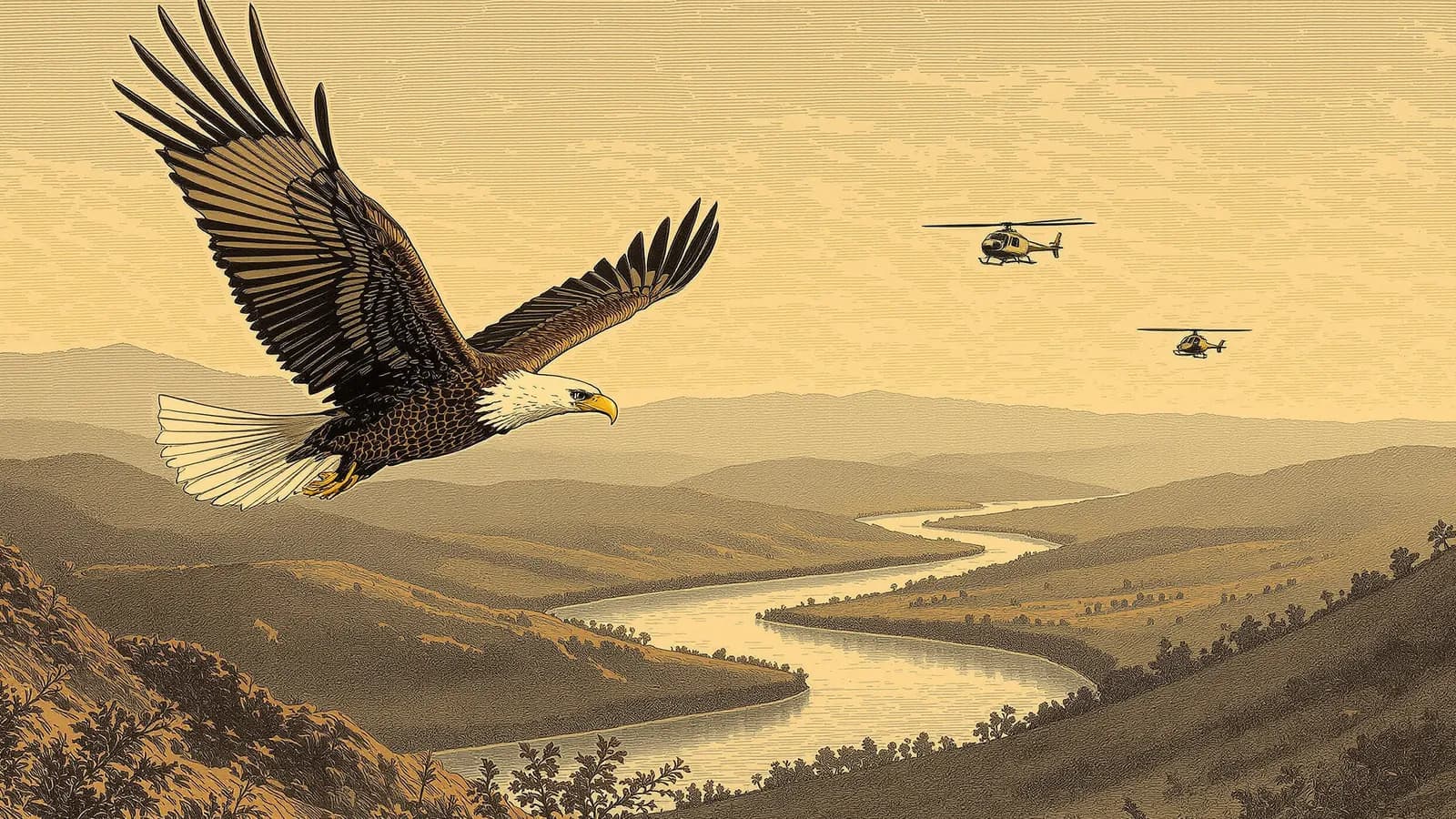
The 101st Airborne Division was activated at Camp Claiborne, Louisiana at one minute after midnight on August 16, 1942. Its first commander, Maj. Gen. William C. Lee, told the new recruits the division had no history but it had "a rendezvous with destiny," which is written in General Order No. 5, and he said it would go into action "when the need is immediate and extreme." They picked the eagle for the badge, and that's where Screaming Eagles comes from.
World War II
The division shipped to England in September 1943 to train, and in the early hours of June 6, 1944 the Screaming Eagles parachuted onto the Cotentin Peninsula, and the Army says they were the first Allied soldiers to set foot in occupied France. Their job was to clear the way for the 4th Infantry Division landing at Utah Beach, and they linked the Utah and Omaha beachheads and liberated Carentan.
On September 17, 1944 they jumped into the Netherlands for Operation Market Garden and held a narrow 16-mile corridor through enemy territory, fighting there for 72 days.
Then in December 1944 the Germans launched a massive offensive through the Ardennes and the 101st got rushed back to the front to defend the road junction at Bastogne, Belgium, where they ended up surrounded. When the Germans demanded surrender, Brig. Gen. Anthony McAuliffe answered with one word, "Nuts!" The siege was broken December 26, 1944, though the fighting went on into January.
In spring 1945 the division liberated the Landsberg concentration camp and took Hitler's retreat at Berchtesgaden, and after occupation duty it was inactivated on November 30, 1945.
Home at Fort Campbell
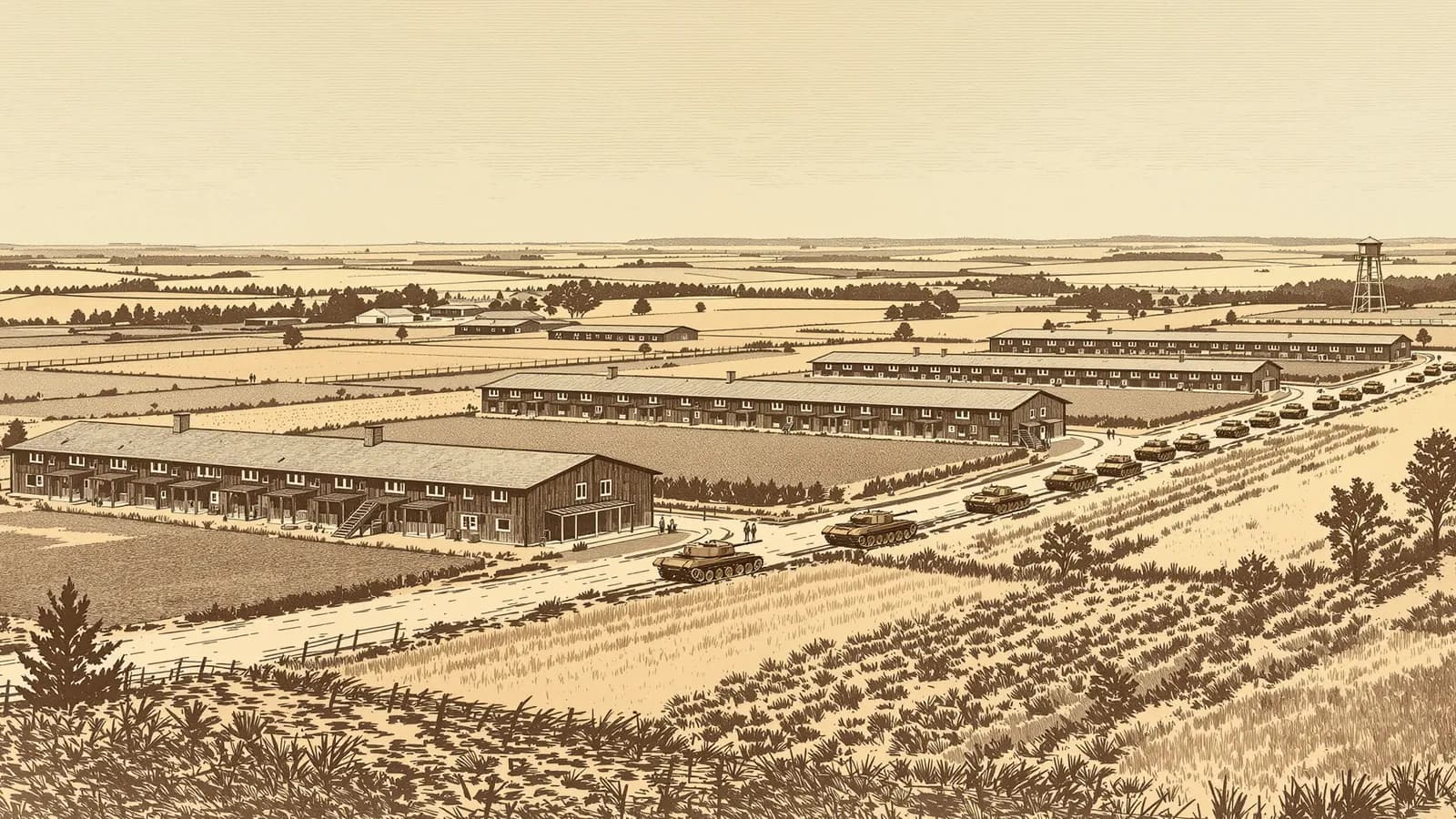
After a few on-and-off years at other posts, the division was officially reactivated at Fort Campbell on September 21, 1956 and it's been home ever since. The post has its own story, which I wrote up in Fort Campbell History.
In September 1957 President Eisenhower ordered elements of the 101st to Little Rock, Arkansas, where soldiers of the 1st Airborne Battle Group, 327th Infantry escorted the Little Rock Nine as they attended Central High School. I didn't know that part of the division's history until I read the Army's page, and I think it should be a lot better known.
Vietnam and air assault
The 1st Brigade deployed to Vietnam in July 1965 and the rest of the division followed in late 1967, and in 1968 the division fought through the Tet Offensive all the way between Saigon and Quang Tri Province. In August 1968 they traded parachutes for helicopters and became the 101st Airborne Division (Airmobile), and they came home to Fort Campbell in 1972. On October 4, 1974 it was redesignated the 101st Airborne Division (Air Assault), which the Army calls the only air assault division in the world, and that's the reason for all those helicopters over the hills.
In December 1985, 248 Screaming Eagles coming home from peacekeeping duty in the Sinai were killed in a charter plane crash near Gander, Newfoundland. I'll just leave that there, but it's worth knowing.
The Gulf and after 9/11
The division deployed to the Middle East in August 1990, and the Army's history says it conducted the longest and largest air assault operations up to that point and was home by May 1991. During the 1990s units out of Fort Campbell went to Somalia, Haiti, the Sinai, Central and South America, Bosnia and Kosovo.
After 9/11 the 3rd Brigade deployed to Afghanistan in November 2001, and in 2003 the division fought north through Iraq and took responsibility for Mosul and the surrounding provinces. It went back to Iraq in 2005, and most of the division deployed again in late 2007. The Army calls it one of the most deployed divisions it has.
Living next door
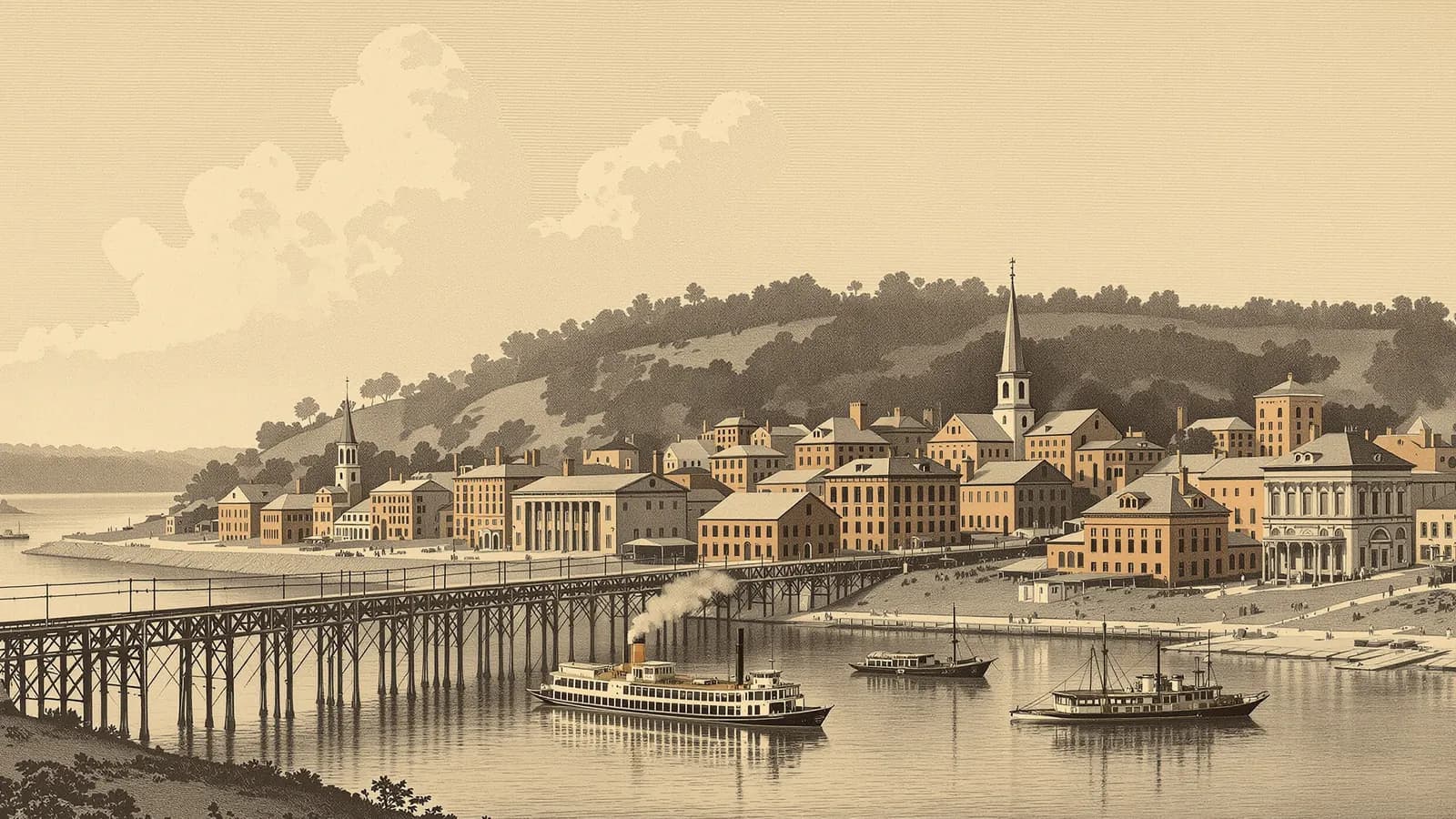
None of this has much to do with boats, honestly, but it's the backdrop to living here. The Tennessee Encyclopedia calls Fort Campbell "the single most important force in the local economy and culture" of Clarksville, and a lot of our neighbors are soldiers and veterans and their families. Our river film, Film 04, gives the division one short beat near the end and I wanted to get it right, so this is the longer version. If you want to read more, there's the 101st Airborne on army.mil and my Clarksville TN history post on how the post changed the town.
If you're a Fort Campbell family looking to get on the water, I put together things to do on the water near Fort Campbell. And thank you.